















An Eye on Real Estate - The Hidden Economics Of Poorly Run Residential Apartment Buildings
by: Bill Grieve - Sat, 06 Jun 2026
Real Estate and Property Management are at the core of Bill Grieve’s experience. In this article, he discusses how weak management, poor enforcement and declining standards quietly destroy property value in Bahrain.
Most residential buildings do not collapse dramatically. They decline gradually – through neglected maintenance, weak enforcement, poor financial planning and the slow erosion of standards. In Bahrain’s rapidly expanding apartment market, the financial consequences of poorly run buildings are becoming impossible to ignore.
Apartment ownership is often marketed as a lifestyle investment.
Brochures speak of waterfront views, rooftop pools, modern gyms, security and effortless urban living. Buyers are shown polished receptions, manicured facilities and promises of ‘premium community living’.
But several years later, the reality inside many buildings looks very different.
Lifts fail repeatedly. Pools close for extended periods. Security systems become unreliable. Service charges increase while visible standards decline. Residents become frustrated, owners disengage and property values quietly begin to weaken.
And this is where the real problem begins.
Because the true cost of a poorly run building is rarely visible at first.
It appears slowly – financially, socially, operationally and psychologically.
The Slow Financial Leak
Poorly managed buildings rarely fail because of one catastrophic event.
Instead, they suffer from what could be described as ‘continuous financial leakage’.
Minor maintenance issues are ignored until they become major repairs. Preventative maintenance is replaced with reactive spending. Service contracts are awarded based on the lowest price rather than long-term reliability. Reserve funds remain inadequate while ageing systems quietly deteriorate.
The result is predictable: owners eventually pay more for less.
Internationally, this pattern is well known throughout strata and apartment markets. Bahrain is no exception. Poor governance and weak maintenance directly affect resale value, rental appeal and investor confidence.
“Buildings rarely decline suddenly. They decline one ignored decision at a time.”
When Owners Stop Believing
One of the most dangerous moments in any residential building is when owners lose confidence in management.
Once residents believe complaints achieve nothing, rules are selectively enforced, finances lack transparency or standards no longer matter, participation collapses.
People stop attending meetings. Maintenance approvals become contentious. Service charge recovery weakens. Residents begin acting individually rather than collectively.
The building slowly loses its sense of shared responsibility.
This problem is particularly visible in some larger residential developments, where owners’ associations exist legally but operationally struggle with engagement, expertise or continuity.
The Illusion Of Occupancy
A full building does not necessarily indicate a healthy building. Some developments appear successful because units are occupied and lights remain on at night.
But beneath the surface, facilities deteriorate, maintenance is deferred, rules are ignored and transient occupancy increases.
In certain buildings, short-term or daily rentals introduce an entirely different behavioural dynamic. Residents no longer recognise neighbours. Access control weakens. Security concerns increase. Shared facilities experience heavier wear and tear.
The financial consequences are substantial.
Long-term residents begin leaving. Higher-quality tenants avoid the building. Owner-occupiers lose confidence. Eventually, the building’s reputation itself becomes damaged.
And reputation, in property, is extremely difficult to recover.
“The market always notices declining standards – even when management pretends not to.”
Cheap Decisions Become Expensive Problems
One of the most common causes of long-term decline is the culture of cost-cutting.
Initially, these decisions appear sensible: cheaper contractors, delayed upgrades, reduced maintenance schedules and lower-cost replacement parts.
But buildings are systems. Weakening one part eventually affects everything else.
A low-quality access control system or CCTV replacement may compromise security. Poor lift maintenance increases breakdown frequency. Inadequate waterproofing causes structural deterioration. Delayed fire system servicing creates liability exposure.
The problem is not only operational.
It is financial. Deferred maintenance almost always becomes significantly more expensive later.
The Insurance Risk Nobody Talks About
Many residents assume insurance automatically protects residential buildings.
But insurers increasingly assess maintenance quality, fire compliance, access control, risk exposure and operational management.
Buildings with persistent maintenance failures, poor enforcement or unauthorised activity may face increased premiums, reduced coverage or disputes during claims.
Short-term rentals operating in buildings designed for residential occupancy may further complicate liability and claims exposure.
In poorly run buildings, the hidden risk is often not the incident itself – but what the incident reveals afterwards.
The Human Cost Of Poor Management
The economics are not only financial.
Poorly managed buildings gradually affect behaviour.
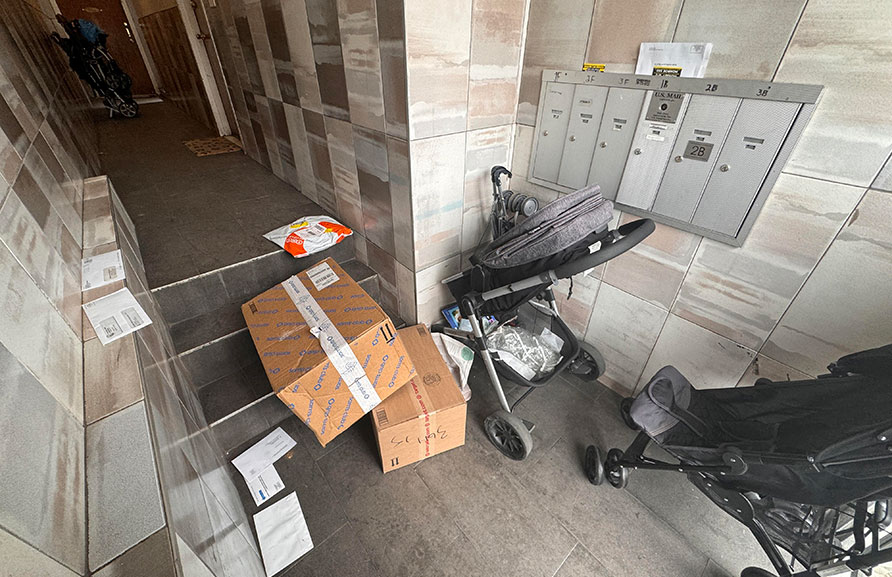
Residents become less respectful of shared spaces when they see standards slipping. Rules begin to feel optional. Minor breaches become normalised. Enforcement weakens further.
Eventually, the building enters a cycle where decline becomes culturally accepted.
This is particularly important in dense residential living, where multiple nationalities, lifestyles, expectations and habits coexist under one roof.
Without clear standards and consistent enforcement, friction naturally increases.
“When standards disappear, frustration replaces community.”
The Bahrain Reality
Bahrain’s residential apartment sector has grown rapidly over the past two decades.
In many developments, the early years were driven heavily by sales, occupancy and expansion. Long-term governance and operational sustainability often received less public attention.
Today, many buildings are entering a more difficult phase: ageing infrastructure, increasing maintenance demands, rising operational costs and more complex resident expectations.
At the same time, owners’ associations and building managers are under growing pressure to balance budgets while maintaining standards.
The difference between well-run buildings and poorly run buildings is therefore becoming far more visible.And financially, the gap is widening.
What Good Buildings Do Differently
Successful residential buildings are rarely successful by accident.
They typically share several characteristics: proactive maintenance, transparent financial management, clear communication, consistent rule enforcement and long-term planning.
Most importantly, they understand one critical principle: maintaining standards protects value.
Not only aesthetic value – financial value.
In property, decline is rarely immediate.
A building may still appear functional while quietly losing resident confidence, market reputation, operational stability and long-term value.
The danger is that, by the time the financial impact becomes obvious, reversing the damage is often significantly more expensive – and sometimes impossible.
Because in residential real estate, poorly managed buildings do not simply inconvenience people.
Over time, they devalue entire communities.
“The true cost of poor management is not what a building spends today – but what it quietly loses over time.”
Tags #lifestyle #btm june 2026 #apartment maintenance bahrain #property value bahrain #real estate investment Bahrain #building maintenance bahrain #owners association bahrain #residential buildings bahrain #apartment buildings bahrain #bahrain real estate #Bahrain property management
Digital Edition
Bahrain This Month
June 2026
Related Articles

The Marketing Infrastructure Upgrade
Sat, 06 Jun 2026


Petrol Pressure
Sat, 06 Jun 2026